Investing Fundamentals

Risk, volatility, diversification, position sizing and market cycles — the questions to answer before you put money into crypto.

Woven basket filled with eggs
Investing Fundamentals· 7 min read

Position sizing in crypto: deciding how much to put at risk

Position sizing answers one question before every purchase: how much can this lose without hurting me? Diversification and rebalancing keep the answer true over time. Here is the arithmetic, with worked examples.

8 sources · 8 primary
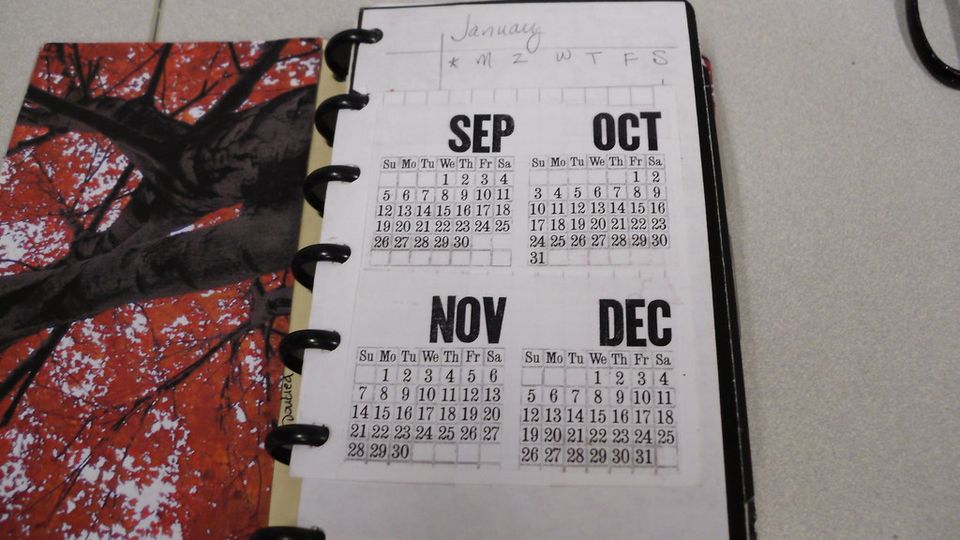
Desk calendar open at September to December
Investing Fundamentals· 6 min read

Dollar-cost averaging in crypto: what it does and what it doesn’t

Dollar-cost averaging means investing the same amount on a schedule, whatever the price. It takes the guesswork out of timing — but it is not a shield against losses. Here is the arithmetic, worked through.

6 sources · 6 primary
Deep green alpine valley below snow-capped mountains
Investing Fundamentals· 6 min read

Drawdown recovery math: why a 50% loss needs a 100% gain

A drawdown is the fall from a peak to a low. The arithmetic of getting back is lopsided, and it gets worse the deeper the fall. Here is the math, with tables and worked examples.

7 sources · 7 primary
Person ticking items on a checklist on a clipboard
Investing Fundamentals· 7 min read

How to evaluate a crypto project: questions to ask before you buy

There are thousands of coins and tokens, and many of them are built to separate you from your money. This checklist walks through purpose, control, supply, disclosure, liquidity and red flags — using what regulators tell investors to check.

10 sources · 9 primary

Metrics and terms for this topic

Assorted euro coins piled together
Glossary· 2 min read

Altcoin

“Altcoin” is shorthand for “alternative coin”: any cryptocurrency that is not bitcoin.

4 sources · 4 primary

Other topics

Tightly packed links of heavy metal chain
Topic

Blockchain Basics

Blocks, transactions, keys and fees: the moving parts every other topic builds on.

Tall stacks of gold-coloured coins on a dark table
Topic

Bitcoin

Supply schedule, mining, difficulty, Lightning and spot ETFs.

Three-dimensional rendering of the blue Ethereum diamond logo
Topic

Ethereum

Accounts, gas, staking, the fee burn and layer-2 rollups.

Uncut sheet of US one-hundred-dollar banknotes
Topic

DeFi & Stablecoins

Stablecoins, exchanges without order books, liquidity pools and on-chain lending.

Magnifying glass held over banknotes and a map
Topic

On-Chain Analysis

How analysts turn public ledger data into cost-basis, holder and flow signals — and where that breaks.

Busy trading hall of an exchange seen from the gallery
Topic

Market Structure

Spot versus derivatives, funding rates, open interest, liquidations and order books.

Rows of numbered safe-deposit boxes along a vault wall
Topic

Security & Scams

Custody choices, seed phrases, hardware wallets and the scams that target new users.

What will you learn about investing in crypto here?

This section is not about picking coins. TokenTrail recommends no asset, exchange or product, and nothing here is investment advice. Instead it covers the arithmetic and habits that matter whatever you decide: how large crypto price swings can be, how much of your money a single position should be allowed to put at risk, what investing on a schedule does and does not do, why deep losses are so hard to recover from, and which questions regulators suggest asking about any project. Worked examples are computed in code, and hypothetical inputs are labelled as such.

Where should you start?#

Start with risk, because every other guide in this section builds on it:

  1. Crypto volatility and risk — how big the swings are, and what else can go wrong.
  2. Position sizing in crypto — deciding how much to put at risk, and keeping it that way.
  3. Dollar-cost averaging in crypto — what investing on a schedule does, and what it doesn’t.
  4. Drawdown recovery math — why a deep fall needs a much larger rise to recover.
  5. Crypto market cycles explained — booms, busts, and what we really know about them.
  6. How to evaluate a crypto project — questions to ask before you buy anything.

How does this topic connect to the rest of the site?#

Several guides have a matching calculator that runs in your browser: the position size calculator, the DCA calculator and the drawdown recovery calculator. The altcoin and market capitalization glossary entries explain two terms you will meet in almost every price discussion. And because scams target new investors, common crypto scams belongs on the same reading list.

Frequently asked questions#

Does TokenTrail tell me what to buy?

No. We recommend no coin, token, exchange, wallet or service, and we earn nothing from any of them. How we are funded explains why.

How much should I put into crypto?

Nobody who does not know your finances can answer that for you. The US SEC’s investor education office puts the baseline this way: “The only money you should put at risk with any speculative investment is money you can afford to lose entirely” [1]. The position sizing guide shows how to turn that into a number for your own situation.

Sources#

Grade A = primary source (regulator, protocol specification, client code, original author). Grade B = expert secondary source used for explanation only.

  1. AU.S. SEC, Investor.gov. Exercise Caution with Crypto Asset Securities: Investor Alert, 2023.