Altcoin
“Altcoin” is shorthand for “alternative coin”: any cryptocurrency that is not bitcoin.
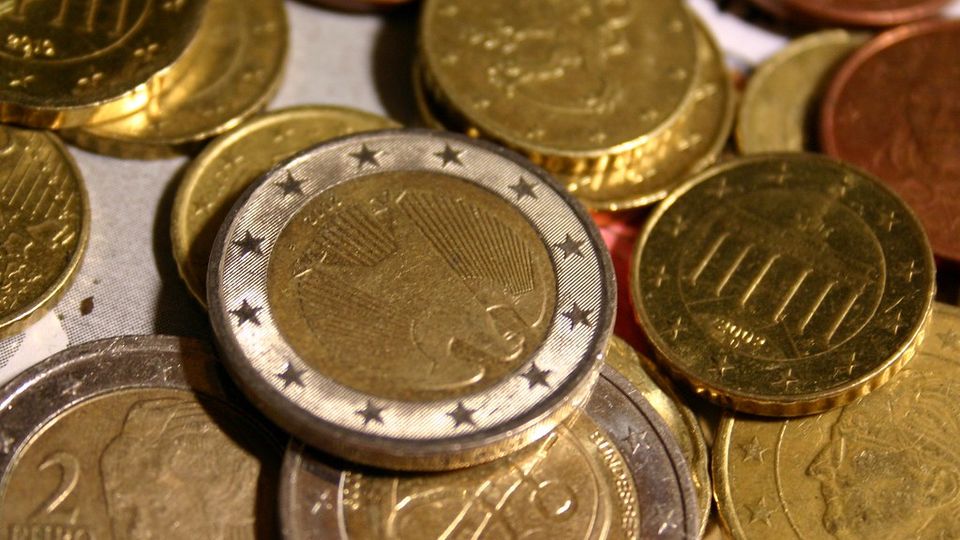
Photo: “Random euro coin collection IX” by tillwe, CC BY-SA 2.0, via Flickr (edited: cropped and resized).
An altcoin is any cryptocurrency other than bitcoin. The label covers everything from ether, the native currency of Ethereum [1], to tokens launched last week. There are thousands: EU regulators counted more than 17,000 crypto-assets in 2022 [2].
Key points
- 1“Altcoin” is an informal label, not a technical or legal category.
- 2It mixes very different things: native coins of their own blockchains and tokens created by smart contracts.
- 3Being an altcoin says nothing about quality. Each one has to be judged on its own design, supply and risks.
What does “altcoin” mean?#
The word combines “alternative” and “coin”. Bitcoin came first, so people started calling everything that followed an alternative to it. The FTC puts the situation plainly: Bitcoin and Ether are well-known cryptocurrencies, but there are many different cryptocurrencies, and new ones keep being created [3]. In everyday use, “altcoin” means any of them except bitcoin.
Inside the group there are two quite different kinds of asset. A native coin is the built-in currency of its own blockchain — ether, for example, is used to pay transaction fees on Ethereum [1]. A token is defined by a smart contract running on someone else’s blockchain; Ethereum’s glossary describes a token as a tradable virtual good defined in smart contracts [1]. Many people call both “altcoins”.
| Step | Value |
|---|---|
| Crypto-assets counted (March 2022) | more than 17,000 |
| Bitcoin + ether share of total market capitalisation | about 60% |
| Share left for every other crypto-asset combined = 100% − 60% | about 40% |
Figures are from the European Supervisory Authorities’ 2022 warning [2]; shares change constantly, so treat them as a snapshot, not today’s market.
Are altcoins riskier than bitcoin?#
Regulators’ warnings apply to crypto-assets in general: prices can fall and rise quickly, and you may lose all the money you invest [2]. The SEC’s investor alert on crypto asset securities lists further risks worth checking for any altcoin, including sometimes highly concentrated and opaque ownership and control structures, and the possibility that the market for a particular asset may disappear altogether [4]. Fake coins are also a common scam: the FTC describes fraudsters inventing coins or tokens and promoting them with slick websites and ads [3].
Which words are related?#
- Stablecoin — a token designed to track another asset, usually a currency.
- Market capitalization — price × supply, the usual way altcoins are ranked by size.
- Smart contract — the program that defines most tokens.
- What is Ethereum? — the network that hosts many tokens.
Frequently asked questions#
Is ether an altcoin?
By the usual definition, yes, because it is not bitcoin. Some people reserve the word for smaller coins, which shows how loose the label is.
Are stablecoins altcoins?
Technically they are cryptocurrencies other than bitcoin, so some people include them. Most writers treat them as a separate group because they are designed to hold a steady price.
Is “altcoin” an official or legal term?
No. It is market slang. Regulators use broader terms such as “crypto-assets” or “virtual currency”.
Sources#
Grade A = primary source (regulator, protocol specification, client code, original author). Grade B = expert secondary source used for explanation only.
- Aethereum.org. Ethereum Glossary (Ether; Token), 2026.
- AEuropean Supervisory Authorities (EBA, ESMA, EIOPA). EU financial regulators warn consumers on the risks of crypto-assets, 2022.
- AU.S. Federal Trade Commission, Consumer Advice. What To Know About Cryptocurrency and Scams, 2022.
- AU.S. SEC, Investor.gov. Exercise Caution with Crypto Asset Securities: Investor Alert, 2023.