Node
A node is any computer taking part in a blockchain network. Full nodes check every block for themselves.
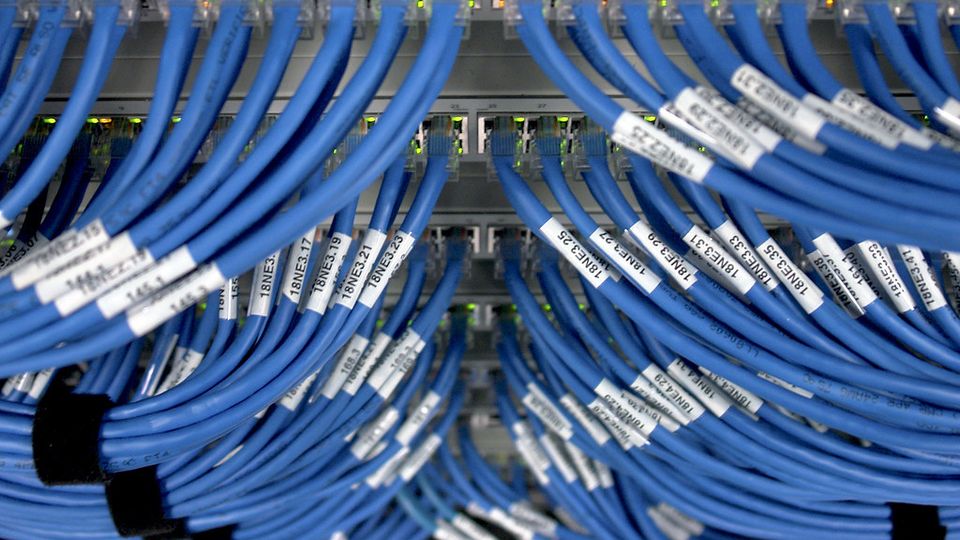
Photo: “Switch!” by andrewfhart, CC BY-SA 2.0, via Flickr (edited: cropped and resized).
A node is a computer that connects to a blockchain network [1]. Full nodes download and verify every block and transaction before relaying them [2], so they do not have to trust anyone else’s copy of the ledger. Light clients rely on full nodes for most data.
Key points
- 1Nodes keep the ledger, relay transactions and blocks, and enforce the consensus rules.
- 2Full nodes verify everything; archival nodes also keep all history; pruned nodes discard old blocks.
- 3Running your own node lets you check the chain yourself instead of trusting a third party.
What does a node do?#
Nodes are the network. They pass new transactions and blocks to each other, and full nodes check each one against the rules before passing it on [2]. In Bitcoin, each full node independently stores a chain of blocks it has validated itself; when nodes hold the same blocks, they are in consensus [3]. The Bitcoin developer guide, for example, describes Bitcoin Core using a maximum of 8 outbound connections to other peers when it downloads blocks [2]; newer versions may differ.
| Step | Value |
|---|---|
| Full node | Downloads and verifies every block and transaction |
| Archival node (Bitcoin) / archive node (Ethereum) | A full node that keeps all history and can serve old blocks |
| Pruned node (Bitcoin) | A full node that deletes old blocks after checking them |
| SPV or light client | Downloads block headers and asks full nodes for the rest |
On Ethereum, ethereum.org notes that full nodes keep a local copy of only relatively recent data, typically the most recent 128 blocks, while archive nodes never delete any downloaded data [4].
Is a node the same as a miner or a wallet?#
Not necessarily. Miners (Bitcoin) and validators (Ethereum) produce blocks and usually run nodes, but most nodes never produce a block — they just check. A wallet can connect to your own node or to someone else’s. Light clients are the exception: the developer guide notes they keep no mempool and do not relay transactions, because they cannot verify that inputs are unspent [2].
Which words are related?#
- Mempool — the pending-transaction list each full node keeps.
- What is a blockchain? — how nodes agree on one history.
- Hash — what nodes recompute to check every block.
Frequently asked questions#
Do I need to run a node to use crypto?
No. Most wallets connect to nodes run by others. Running your own adds independence and privacy.
Does running a node earn money?
Running a plain full node does not pay rewards by itself. Block rewards go to miners or validators who produce blocks.
What is a light node?
On Ethereum, a light node downloads only block headers and requests other data from full nodes, verifying it against those headers [4].
Sources#
Grade A = primary source (regulator, protocol specification, client code, original author). Grade B = expert secondary source used for explanation only.
- Abitcoin.org developer documentation. Bitcoin Developer Glossary, 2026.
- Abitcoin.org developer documentation. Developer Guide: P2P Network, 2026.
- Abitcoin.org developer documentation. Developer Guide: Block Chain, 2026.
- Aethereum.org. Nodes and clients, 2026.