News analysis ·
NovaTech's $1.16 billion wallet trail: what records show
New York wants $1.37 billion from NovaTech's founders. We explain how wallet deposit records traced the money and where that trail stops.
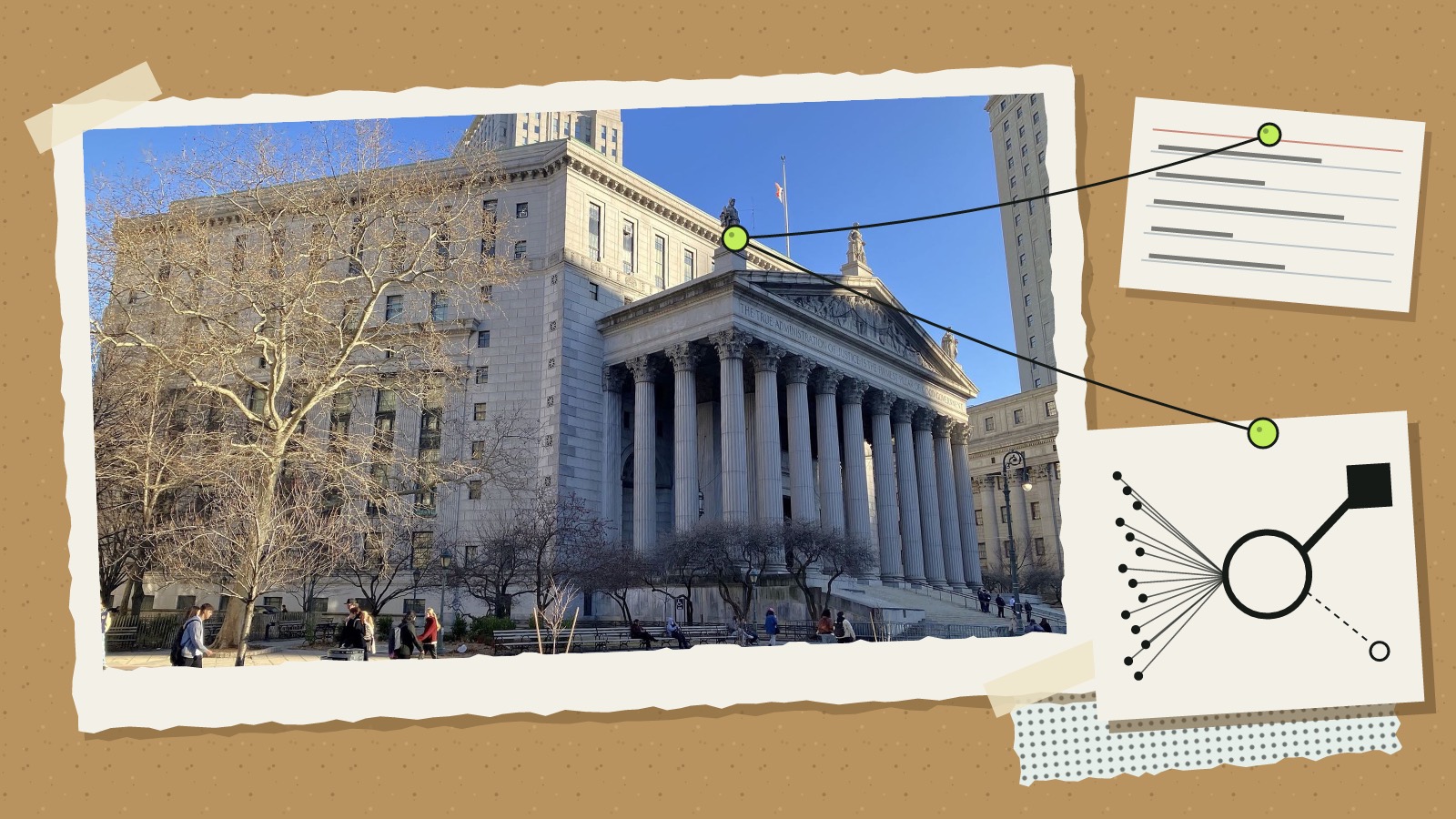
New York Attorney General Letitia James has asked a court to order the founders of NovaTech, a collapsed crypto trading platform, to pay roughly $1.37 billion, Decrypt reported. Much of the state's case rests on records of crypto flowing into one company wallet and out to the founders. This article looks at how that money trail was built and what it can and cannot prove.
What the filing shows
According to Decrypt, the attorney general's office filed in New York County Supreme Court against Cynthia and Eddy Petion, NovaTech and linked firms. The amount covers damages, disgorgement and interest. Disgorgement means handing back money gained through wrongdoing. The state says the couple has left the country, and an August 2025 default judgment followed after they did not answer the lawsuit.
The state describes a scheme paid for by new money. NovaTech advertised weekly returns of 2% to 4%, above 140% a year, and falsely said it was a registered hedge fund broker licensed for U.S. crypto trading. Weekly payouts and recruitment bonuses were paid from newer investors' deposits. When the platform failed in 2023, tens of thousands of people could not withdraw.
The victims were often targeted through trust. The attorney general says the Petions reached immigrant groups, especially Haitian New Yorkers, using WhatsApp chats, prayer circles and social platforms. Hundreds of thousands of people invested worldwide, including more than 11,000 in New York. "These scammers targeted immigrant and religious communities with the promise of a better life but instead robbed them of their life savings," James said.
The method: following deposits into one wallet
The core numbers come from payment processor CoinPayments. Its records indicate investors sent roughly $1.16 billion in crypto into a NovaTech wallet from August 2019 through May 2023. The same records show Cynthia Petion was the sole authorized user on that account, and at least $134.5 million moved to wallets belonging to the Petions.
This is how a money trail is usually built. First, investigators find the collection point, the address or account where victims paid in. Second, they add up everything that arrived there over time. Third, they follow what left: how much went to real business use and how much went to insiders. On a public blockchain, every transfer between addresses is visible, so in-flows and out-flows can be counted in principle. In this case the totals come from CoinPayments records, which also cover who held the account.
The out-flows can then be set against the story NovaTech told. If a fund really traded, most deposits would go to a trading venue. Here, the state says NovaTech sent just under $26 million to the firm handling its trading and lost about $18.2 million of that. Set against roughly $1.16 billion collected, the trading leg looks small. After deducting the trading transfers, New York is asking for about $1.13 billion in disgorgement and $232 million in interest.
Is crypto traceable? What this case shows
Yes, crypto payments are often traceable, and NovaTech is a clear example. Deposits into a known wallet, and transfers from it to wallets tied to the founders, gave the state a figure for money in and money out. Tracing works best when the paying-in point is known and a payment company holds account records that name the user, as the CoinPayments records did here.
But a trail of transfers is not the same as recovered money.
Limits: where the trail can mislead
Wallet records are strong evidence, but they leave gaps that readers should keep in mind.
- Ownership is inferred. A blockchain shows addresses, not names. Linking a wallet to a person needs off-chain data, such as a processor's account records.
- Totals are not losses. The $1.16 billion figure counts deposits. Some of that money went back out as payouts to earlier investors, so it does not equal what victims lost.
- The trail stops at the edges. Once funds move to an exchange, a mixer or cash, the public ledger often cannot show the final owner.
- Tracing is not collecting. Decrypt notes that recovering the money may be difficult because the founders have fled.
What to watch next
Decrypt notes that collecting any award may be hard. Separately, James settled with four leading promoters, Zizi, Ciceron, Roy Sr. and Corbett, for nearly $6 million for victims, and all accepted permanent industry bans. The SEC has its own case, bringing charges over a $650 million fraud two months after New York first sued in June 2024.
The history matters too. Before NovaTech, the couple heavily promoted AWS Mining, which pledged 15% to 20% monthly from mining and collapsed in 2019. Cynthia Petion admitted at least $3 million in gains from it. For readers, the pattern is the warning sign: fixed high weekly returns and recruitment bonuses. Anyone who puts money into crypto schemes like this can lose all of it.
Sources
- Decrypt, 23 Oct 2026
Drafted by AI from the research and on-chain sources listed, then published automatically once checks confirmed the figures against those sources and found no copied text. Not reviewed by a person. Metrics are explained, never turned into price calls.